Exploring the Power and Influence of Algorithms in Our World
New Ways of Ordering the World
Bucher argues that algorithms contribute to new ways of ordering the world by fundamentally shaping how data and information are organized and perceived. Algorithms act as filtering and organizing devices, determining what information becomes visible and relevant. For instance, they prioritize, classify, and associate data, forming an "associational infrastructure" that turns otherwise meaningless data into significant patterns and insights.
The Connection Between Algorithms and Power
Regarding the connection between algorithms and power, Bucher discusses algorithms as central to modern power structures. Algorithms don't simply exercise control in a traditional hierarchical sense but integrate deeply into social and cultural contexts, shaping decisions and perceptions in everyday life. This form of power is seen as "immanent," meaning it operates throughout society rather than from a top-down structure. By acting as gatekeepers—deciding what information is accessible or hidden—algorithms influence public opinion and personal experiences, functioning as tools of both visibility and exclusion in society.
Xiaohongshu's "Baby Food" Tag: An Algorithmic Shield
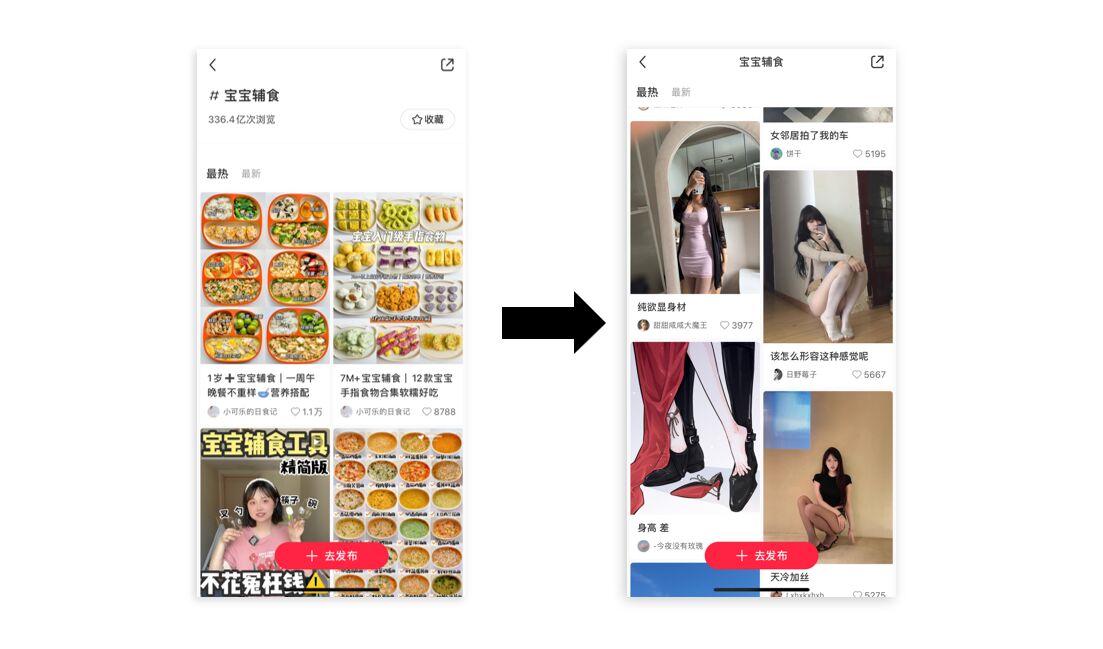
Female users on the Chinese platform Xiaohongshu have lately used the tag "#宝宝辅食#" ("baby food supplements") to keep their postings away from male viewers. Although the tag was initially designed for baby-related material, it now serves as a technique for women to avoid unwanted male attention by manipulating the platform's algorithm, which normally favors such content among moms.
The Demand for Safer Online Spaces
This trend demonstrates a growing demand among women for safer online places, particularly in the face of gendered online abuse. However, as time passed, this beneficial experiment was seemingly exploited by certain accounts to appeal to male viewers seeking provocative content. Now, searching for this tag reveals a flood of off-topic and even explicit content, distorting its original purpose and attracting the very attention it once helped avoid.
Algorithms as a Reflective Mirror
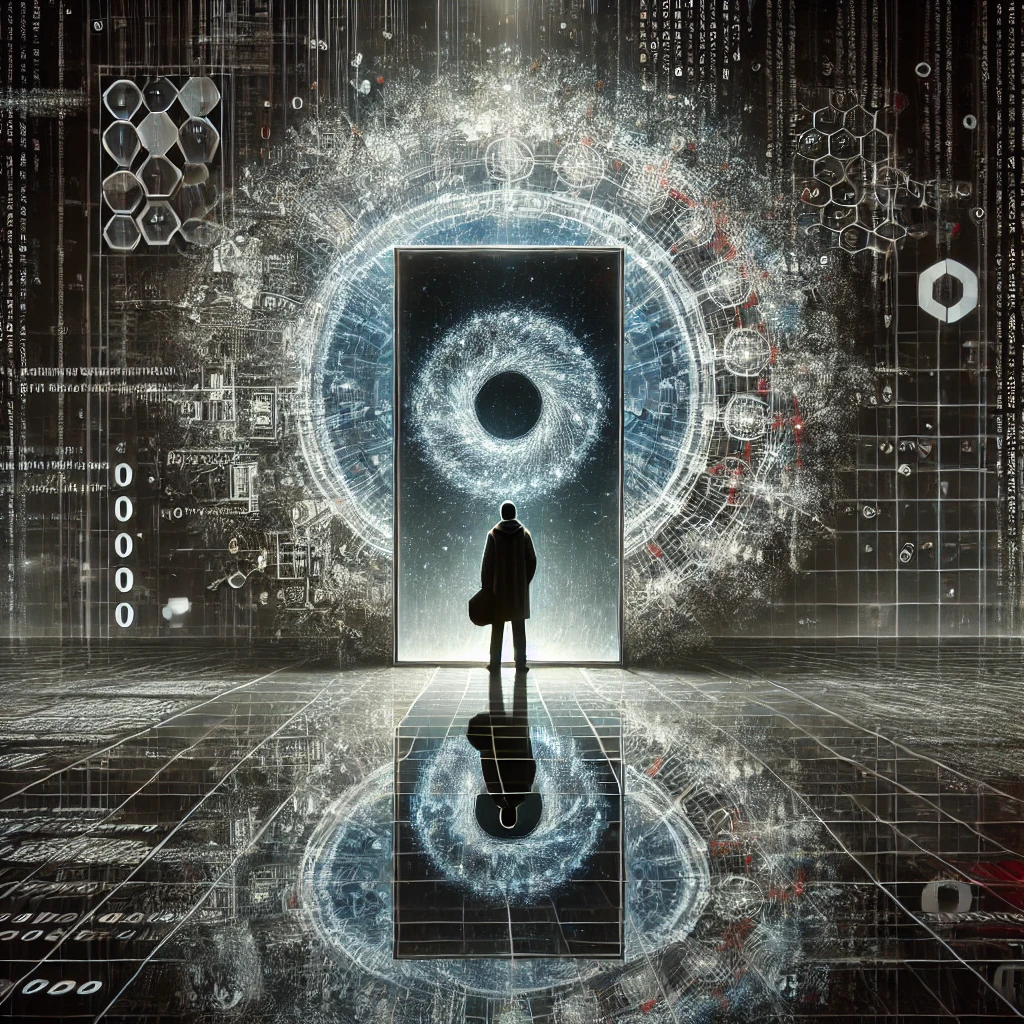
This shift serves as a mirror showing that algorithms reflect the intentions, desires, and behaviors of those who use them. In the vast digital landscape, spaces where women seek freedom and safety can be fragile, like castles built on sand, vulnerable to being washed away by changing tides. Ultimately, in the expansive and unpredictable world of big data, we may only hold onto a fleeting vision of the ideal space we once envisioned.